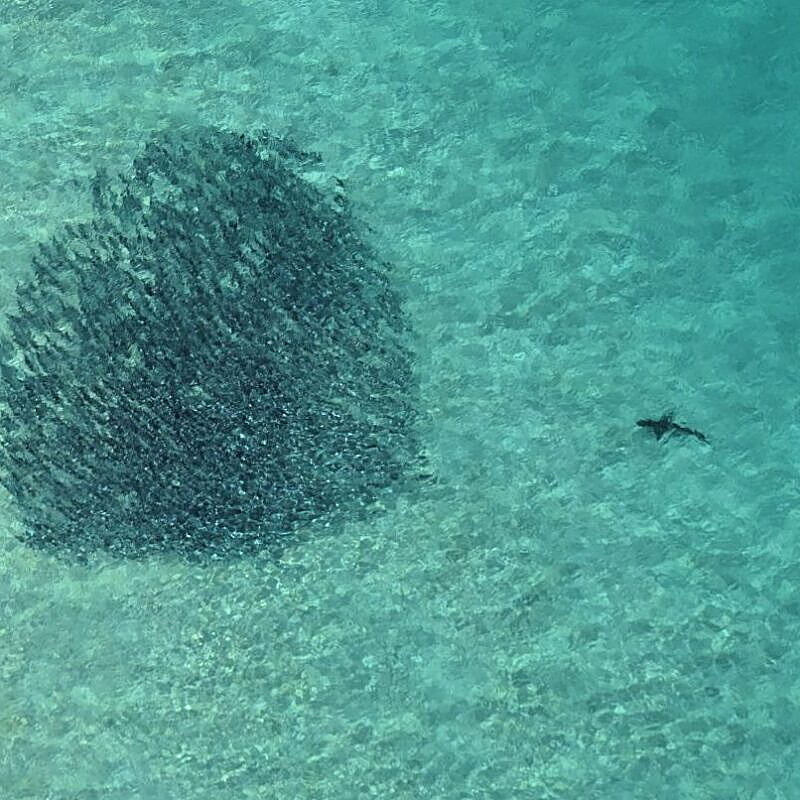
Sharks play an important role in a healthy marine ecosystem, and while the chance of an encounter is very rare, beachgoers need to remember that when they enter the ocean, they are entering the sharks' domain.
Reduce Your Risk
safety tips
The rarity of shark attacks does not take away from the serious nature of an attack when it does occur, nor does the seemingly random nature of attacks help to allay fears about being bitten.
The wide range of shark behaviours, injuries to victims, and circumstances involved with shark attacks suggests that there is no easy single explanation for why sharks very occasionally bite people.
Follow and check the SLSWA X account, SharkSmart website or news for alerts & activity prior to entering the water
Swim close to shore and between the flags at patrolled beaches
Avoid aquatic activity at dusk and dawn
Be sure to swim, dive or surf with others
Avoid areas where there are large schools of fish, dolphins, seals, sea lions or bird rookeries
Avoid areas where animal, human or fish waste enters the water
Avoid deep channels or areas with deep drop-offs nearby
Do not remain in the water with bleeding wounds
Look carefully before jumping into the water from a boat or jetty
If spearing fish, don’t carry dead/bleeding fish attached to you and remove speared fish from the water quickly
If schooling fish or other wildlife start to behave erratically or congregate in large numbers, leave the water
If you see a shark, leave the water as quickly and calmly as possible – avoid excessive splashing or noise